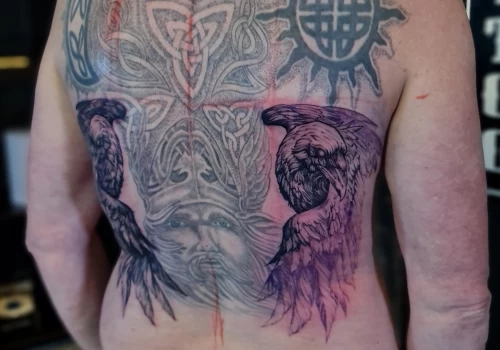
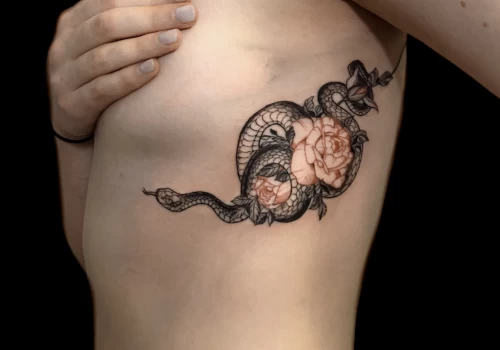
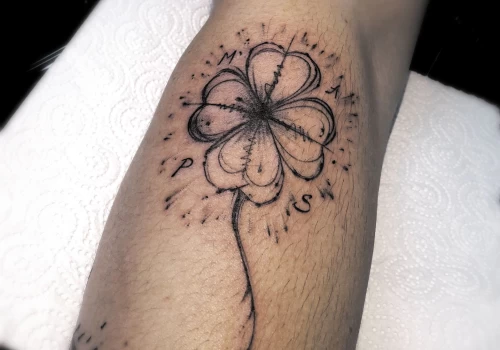
Sibling tattoos: creative designs to honor your brothers & sisters
You can tell a lot about a person by how they talk to their siblings. That blend of affection and exasperation? That’s love with teeth.
Siblings are the original ride-or-die. They’ve seen your bad haircuts, your teenage mistakes, your triumphs, and your disasters — and they’re still here. Maybe that’s why sibling tattoos hit harder than almost any other kind of ink: they’re not about romance or rebellion. They’re about recognition.
In Dublin, at Black Hat Tattoo, these pieces have become something like folklore — not trendy “matching” tattoos, but artifacts of shared survival. They’re what happens when family history meets design culture and two (or five) people decide to make their bond permanent.
Not sentiment — substance
Sibling tattoos aren’t sweet. They’re honest.
Anyone can get a friendship tattoo; siblings earn theirs the hard way. The laughter, the fights, the forgiveness — that’s the material.
When you get tattooed with your brother or sister, you’re not just saying we’re close. You’re saying we lived through the same storm and somehow came out laughing.
At Black Hat Dublin, artists talk about that particular noise siblings bring into the room — the kind of banter that fills the space before the needle touches skin. Then comes the silence. And in that silence, everything unspoken — pride, nostalgia, guilt, love — finally gets translated into ink.
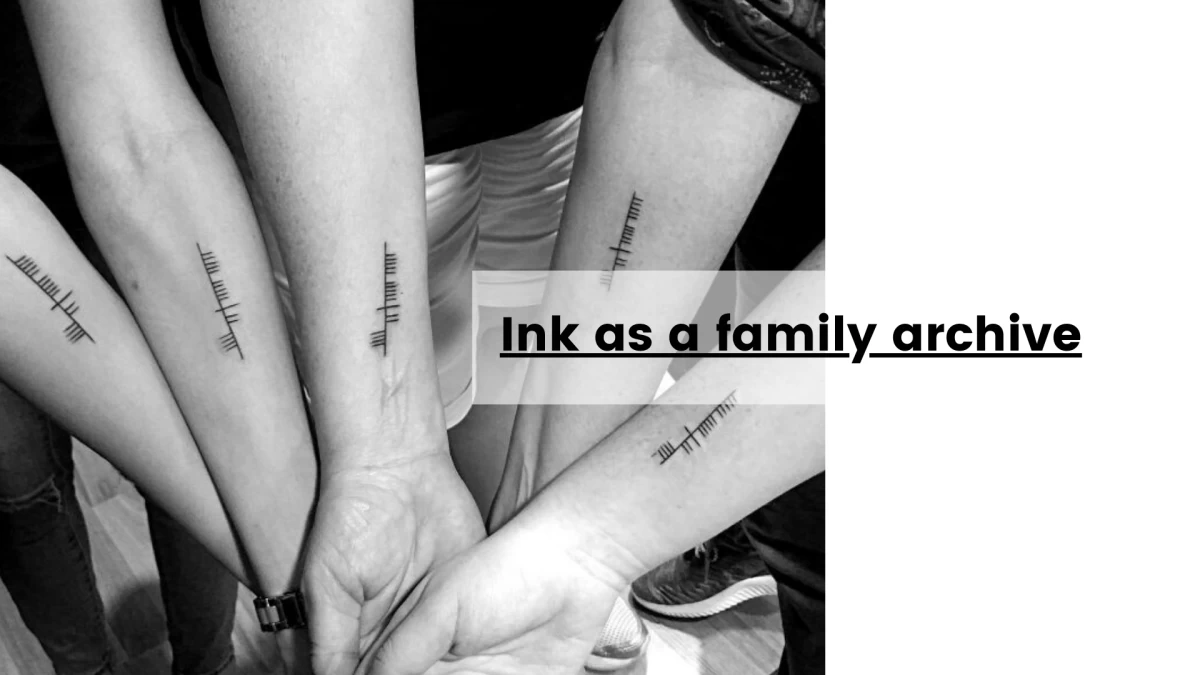
Ink as a family archive
Tattoos last longer than memory. That’s what makes them the perfect family medium.
Our parents kept photo albums; we wear ours.
Every shared symbol is a timestamp: the year someone left home, the time you reconnected, the anniversary of a loss. Even if the story behind it fades, the mark doesn’t.
Some families add new tattoos as they grow — a sibling joins later, the design expands, the circle widens. It’s not about matching perfectly; it’s about documenting belonging.
At Black Hat Tattoo Dublin, those multi-phase projects often turn into moving exhibitions of kinship. Artists map your lines like genealogists — except instead of a family tree, you leave with geometry, constellations, coordinates.
How to design a sibling tattoo that actually means something
Forget identical symbols or Pinterest infinity signs. A great sibling tattoo works because it’s personal, even weird.
Here are ideas that have become cult classics at Black Hat:
1. The House Number
Your childhood home address — stripped down to digits or Roman numerals. Subtle, nostalgic, architectural.
2. The Elements Theory
Each sibling embodies one element — water, fire, air, earth. The alchemy of your differences makes the full circle.
3. Broken Geometry
Each person takes a fragment of an abstract shape. Together, the pieces make sense; apart, they’re art.
4. Soundwaves
Record a shared laugh, a voice note, or an old home-video moment. Turn its soundwave into a minimalist design.
5. Birth Order Symbols
Tiny lines, numbers, or minimalist crowns to mark who came first, last, or somewhere in between.
6. Constellations of Home
A star pattern visible from your hometown’s sky — proof that distance can’t dissolve orbit.
7. Inside-Joke Texts
Not a quote — a sentence only you understand. Half nonsense, half identity.
8. Celtic Abstracts
Inspired by heritage, reinterpreted in modern linework. Think knotwork re-imagined by a graphic designer, not a souvenir shop.
9. Coordinates of Reunion
The exact spot where you all met again after years apart. A secret map only you can read.
10. Minimal Portrait Lines
One artistically continuous line that outlines every sibling’s face — unity in flow, not in uniformity.
The archetypes under the ink
If we looked at sibling tattoos through a Jungian lens (and let’s be real, this is Dublin — philosophy over Guinness is a thing), they’d map perfectly onto archetypes:
-
The Protector — grounded symbols, anchors, shields.
-
The Explorer — compasses, waves, flight paths.
-
The Rebel — flames, fractures, abstract lines.
-
The Healer — plants, water, hands, organic curves.
What’s fascinating is how one tattoo can unite all four archetypes — visual proof that the same childhood can shape wildly different identities. The shared design becomes the family’s internal mythology, updated for the 21st century.
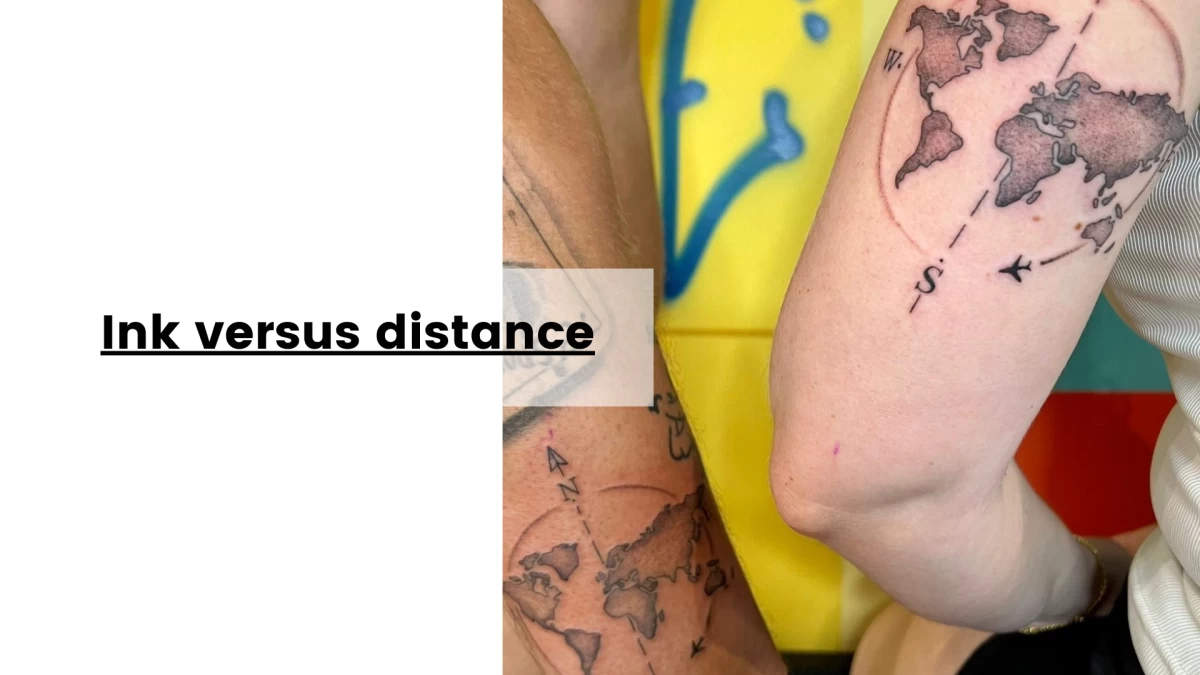
Ink versus distance
Families scatter. One brother’s in Galway, another’s in Berlin, a sister’s in Toronto. But tattoos collapse distance.
Every mark is a portable reunion. You could be continents apart, but one glance at your wrist or shoulder reminds you that someone out there carries the same symbol, the same origin story, under their skin.
It’s the quiet kind of connection — the one that doesn’t need group chats or FaceTime. It just is.
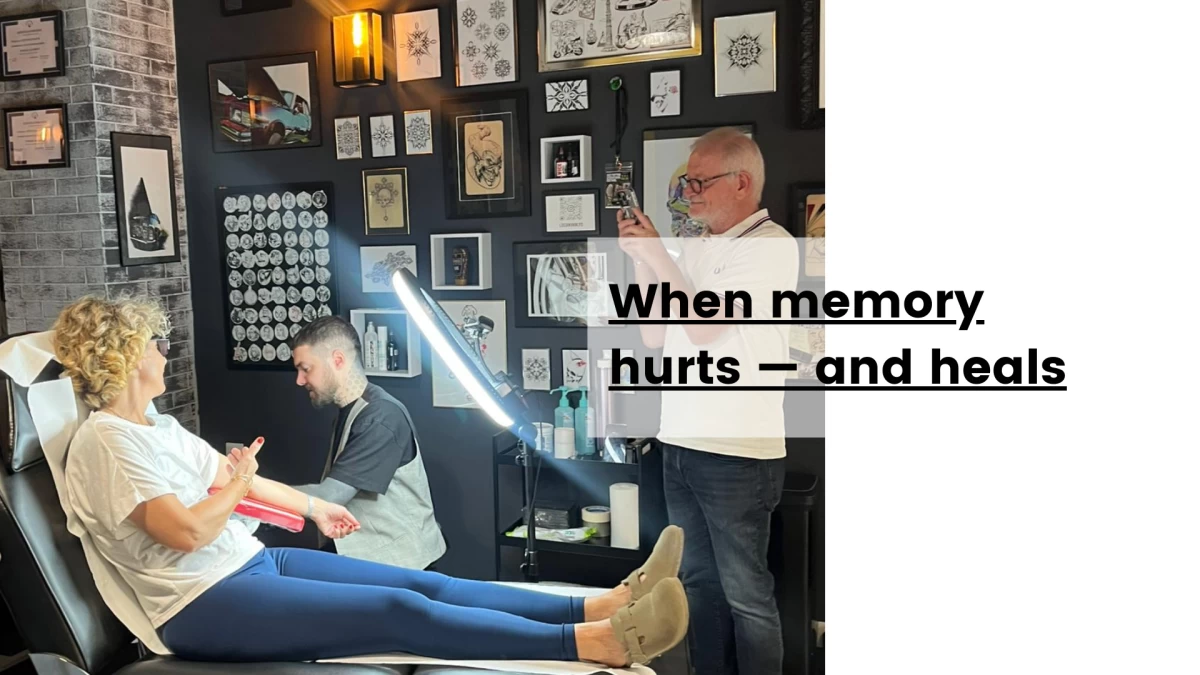
When memory hurts — and heals
Not every sibling tattoo is lighthearted. Some come from loss — a brother gone too soon, a sister’s birthday frozen in time.
Those tattoos are heavy, but they’re not sad. They’re gratitude in disguise. They say: thank you for existing, even if it was brief.
At Black Hat Tattoo, artists approach those pieces like memorial poetry. The design is simple, but the intention is everything — a heartbeat line, a date, a flower that never dies.
They’re reminders that grief and love are made of the same ink.
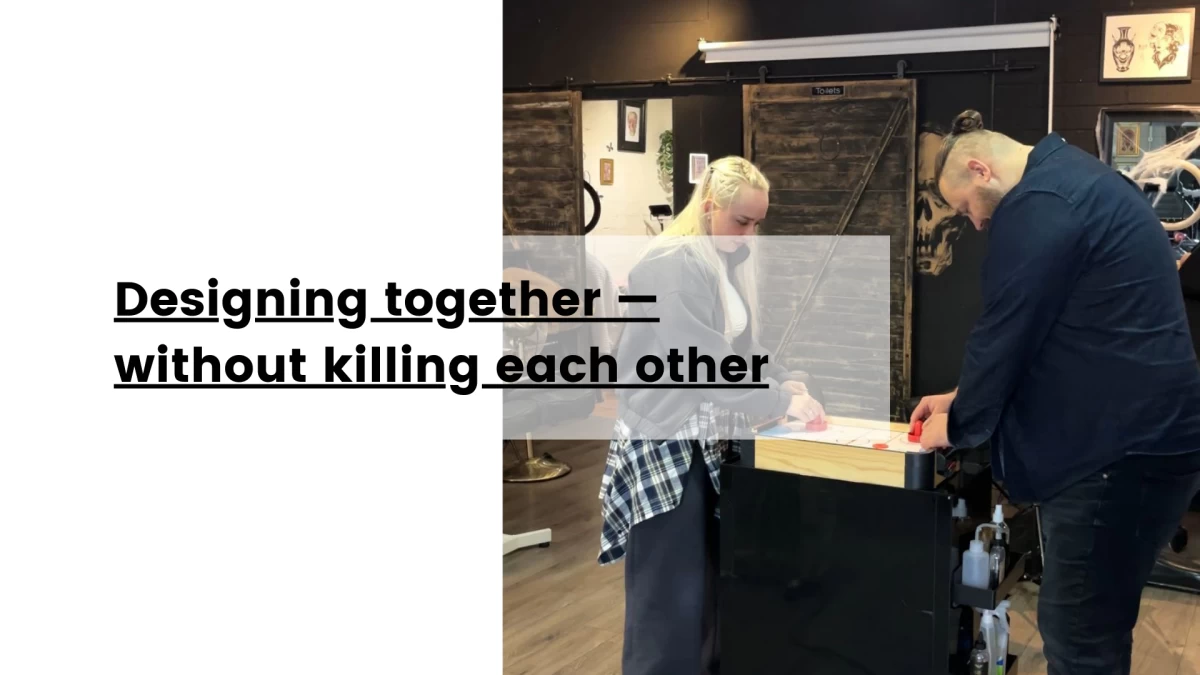
Designing together — without killing each other
Let’s be honest: agreeing on a design with your siblings is a blood sport.
That’s why the Black Hat team often mediates — half artists, half therapists. The process is democratic: brainstorm, sketch, debate, vote, laugh, redo. The result usually surprises everyone.
Because somewhere between compromise and chaos, something authentic appears — a design that belongs to no one, yet everyone.
That’s the magic formula: a tattoo that feels collective but personal, like your own family language turned visual.
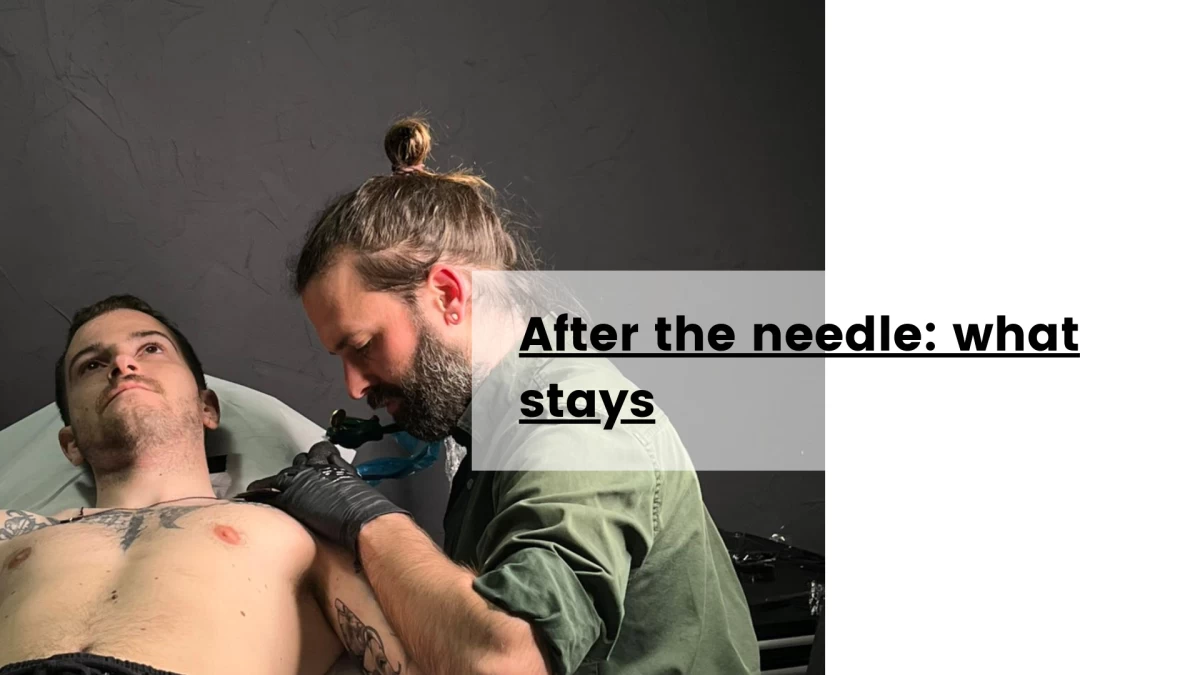
After the needle: what stays
Once the adrenaline fades and the swelling goes down, something shifts.
You’ll notice yourself checking the tattoo when life gets weird — during holidays, flights, hospital visits, birthdays. It becomes a grounding device, a physical reminder that someone shares your history.
Tattoos don’t fix relationships, but they hold the door open. They keep the story alive even when words fail.
Years later, you might add to it — new ink for new chapters. Or maybe you’ll never touch it again. Either way, it’ll still hum quietly under your skin, saying: we made it through.
The Black Hat experience
What sets Black Hat Tattoo Dublin apart is how they treat these tattoos — not as decoration, but as narrative art.
The studio feels like a creative workshop: bright, calm, curious. Artists take time to understand who you are together before they even touch the machine. They don’t replicate; they translate.
They’ll ask about your dynamic — who’s the talker, who’s the quiet one, what you’ve overcome together. Then they build that into the design.
Because a good sibling tattoo shouldn’t just look good on the wall; it should feel like home on skin.
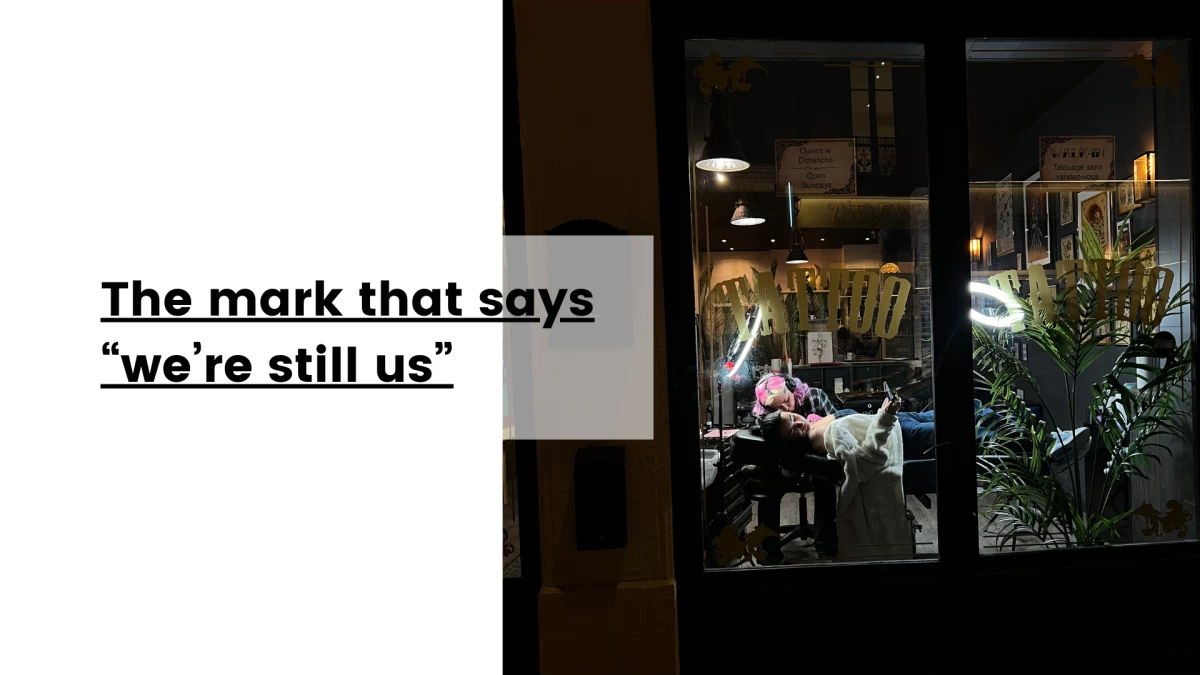
The mark that says “we’re still us”
In the end, sibling tattoos are love without the fluff. They say what words can’t: we’ve fought, we’ve drifted, we’ve grown — and we’re still family.
They’re not promises; they’re proof. Proof that you shared a childhood, a chaos, a lineage — and that it mattered enough to mark it.
So next time you and your siblings are in Dublin, stop by Black Hat Tattoo. Bring your arguments, your nostalgia, your ideas. Leave with something that looks like art and feels like history.
Because no one really understands you like the people who survived you.

Hélène


This might interest you
Here’s a selection of related posts