Handwriting Tattoos: Why People Choose to Tattoo a Loved One’s Signature
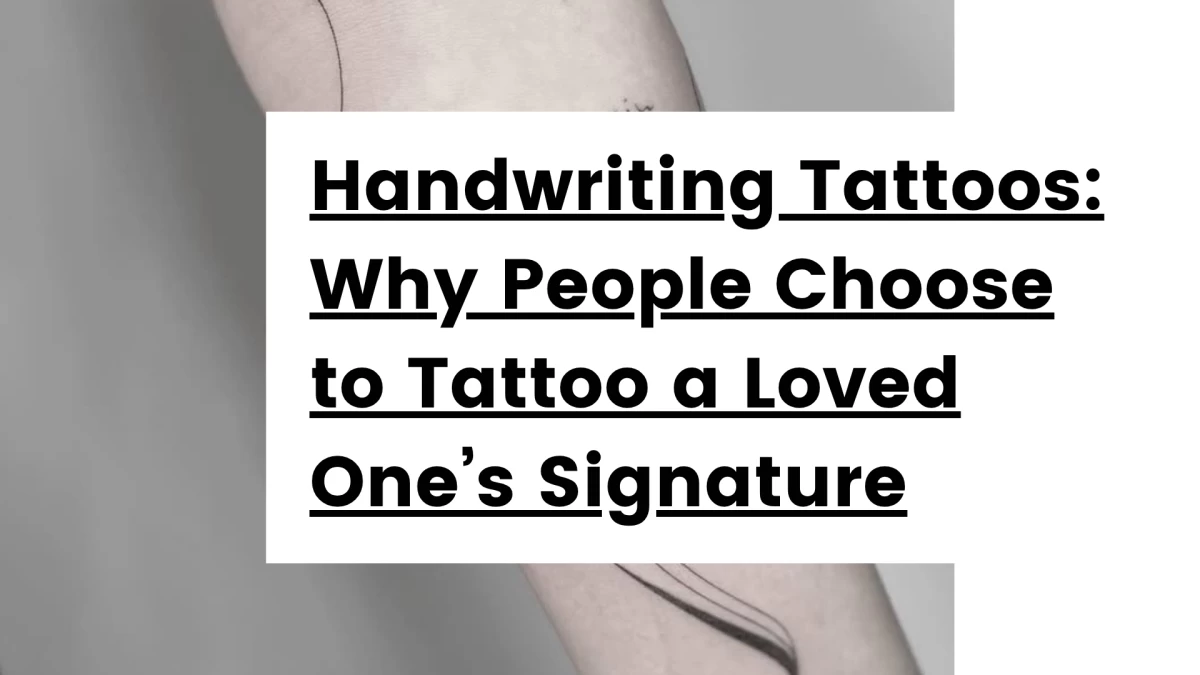
From a parent’s signature to a final handwritten note, handwriting tattoos turn deeply personal memories into lasting, meaningful ink.
Some tattoos are about aesthetics.
Some are impulsive. Some are just because you turned 18 and thought getting a tiny lightning bolt on your ankle was a personality trait.
And then there are handwriting tattoos.
Those are different.
They usually come with a story.
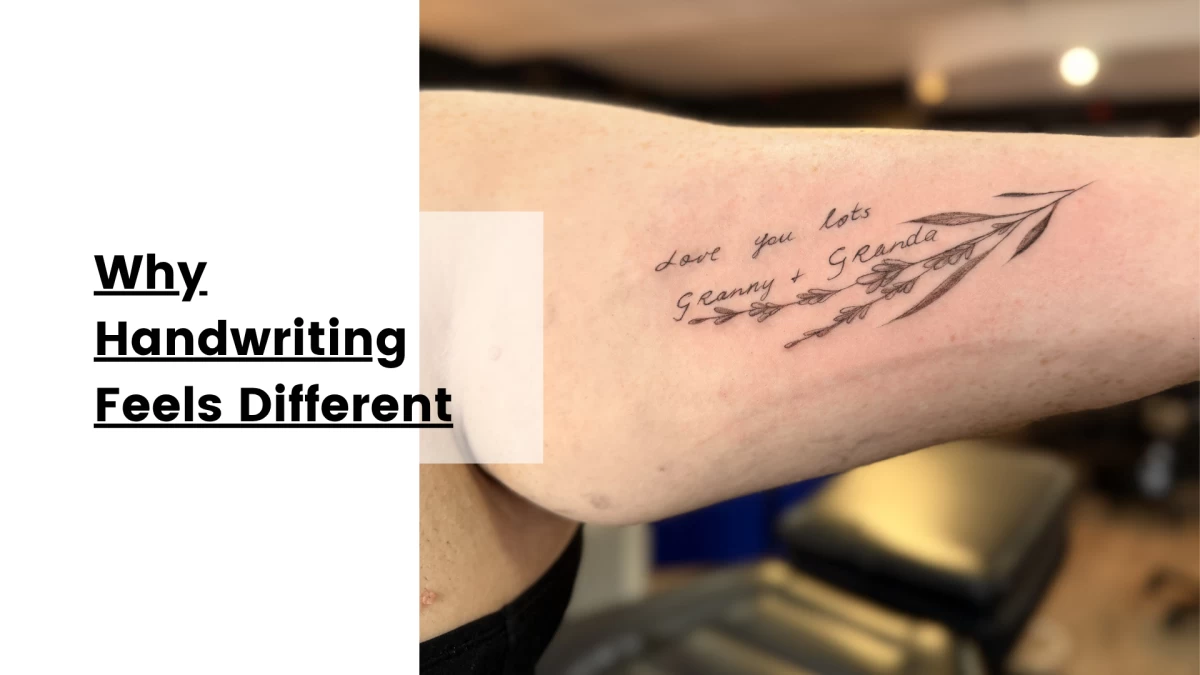
A note from your mum. Your grandfather’s signature from an old birthday card. A letter from someone you lost. A child’s messy little “I love you” written in crayon. Sometimes it’s not even a full sentence—sometimes it’s just a name, a signature, or two words that somehow carry everything.
That’s the thing with handwriting tattoos. They’re small, but emotionally, they hit hard.
At Black Hat Dublin, these are some of the most personal tattoos we do. They’re rarely about trends or aesthetics first. They’re about memory. About preserving something that would otherwise live folded in a drawer or buried in your camera roll.
And honestly, they’re often the tattoos people care about most.
Why Handwriting Feels Different
There’s something weirdly powerful about seeing someone’s handwriting.
Not text. Not a font. Actual handwriting.
You can recognise people in it.
The way they loop certain letters. The pressure of the pen. The aggressive underlining. The chaotic all-caps. The tiny neat writing of someone who definitely judged everyone silently.
Handwriting carries personality in a way typed words never will.
That’s why tattooing a handwritten note feels so different from tattooing a quote in a script font. One is design. The other is presence.
It still feels like them.
That matters.
Memorial Tattoos, But More Personal
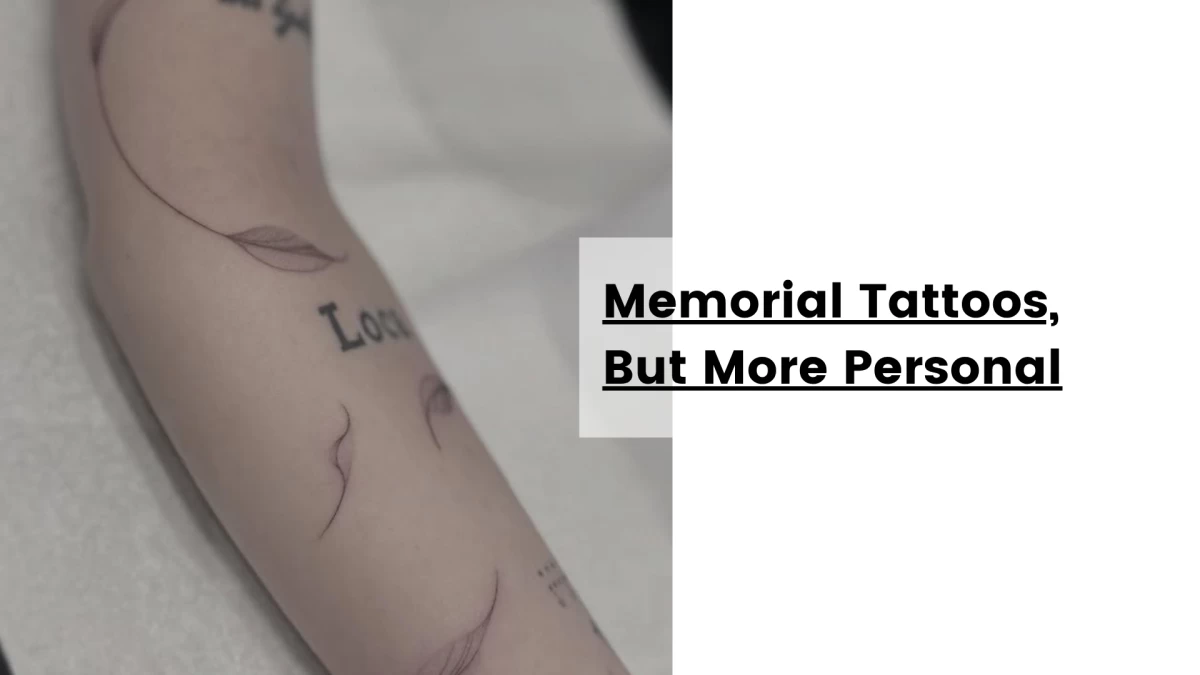
A lot of handwriting tattoos are memorial tattoos, and usually, they’re done quietly.
People walk in with old cards, letters, notebook pages, even scraps of paper they’ve kept for years. Sometimes it’s a last birthday card. Sometimes it’s the last thing someone ever wrote to them.
There’s no dramatic speech. Usually it’s just:
“I think I want this.”
And you can tell it means everything.
These appointments are different.
They’re not casual. They’re emotional. Sometimes people cry. Sometimes they laugh because the note is something ridiculous like “don’t forget to buy milk” and somehow that feels even more personal.
Grief is strange like that.
The goal isn’t to make it dramatic. It’s to make it right.
Not Every Note Translates Perfectly
This part matters, because nobody talks about it enough.
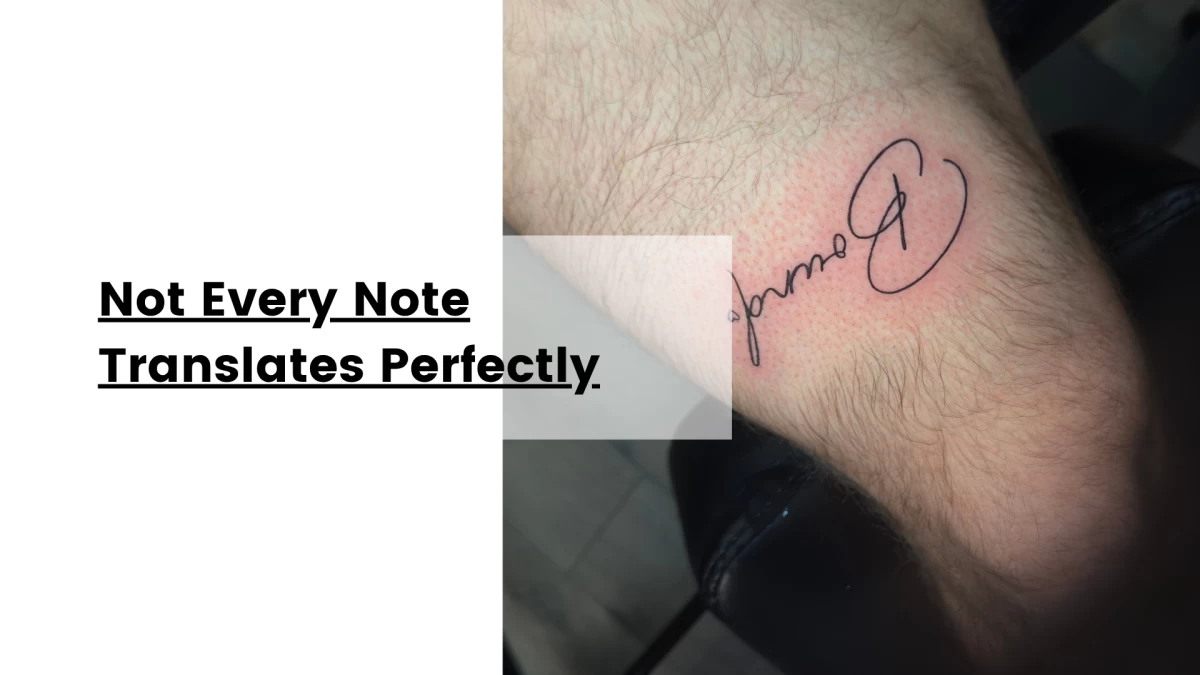
Not every handwriting sample works perfectly as a tattoo exactly as it appears on paper.
Skin is not paper. Tiny details blur over time. Super fine lines spread. Small tight lettering that looks beautiful on a note can become unreadable five years later if it’s tattooed too small.
A good artist will tell you that instead of just saying yes to everything.
Sometimes the design needs tiny adjustments:
a little more spacing, slightly thicker lines, cleaning up faded scans, making sure the tattoo will still actually look good in ten years and not like an ancient cursed receipt.
That doesn’t mean changing the handwriting.
It means protecting it.
There’s a big difference.
Sometimes Less Is Better
People often think they need the whole quote.
They usually don’t.
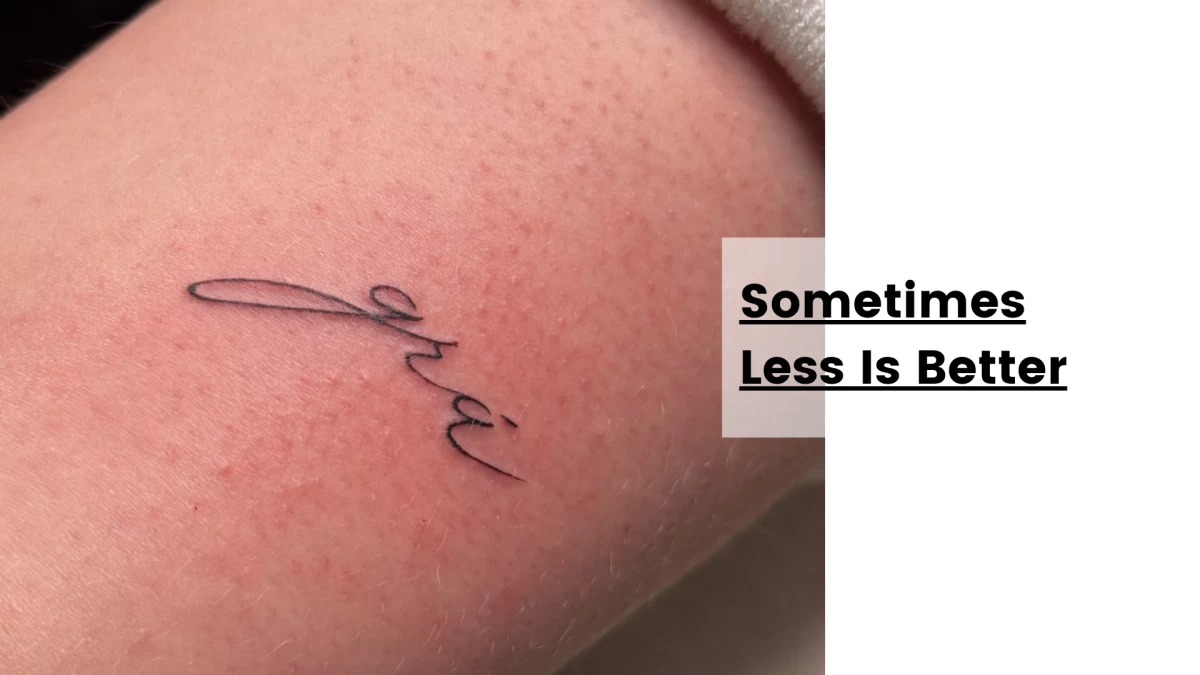
Sometimes the strongest tattoo is just:
Love, Dad
A signature
A first name
A badly written “miss you”
One word
That’s it.
Minimal tattoos often hit harder because they leave room for meaning. You don’t need a full paragraph when two words already wreck you emotionally.
Some people do want a full sentence:
“Be brave.”
“I’m proud of you.”
“See you soon.”
“I love you always.”
That works too.
The point is not what looks best online. It’s what feels true when you look at it.
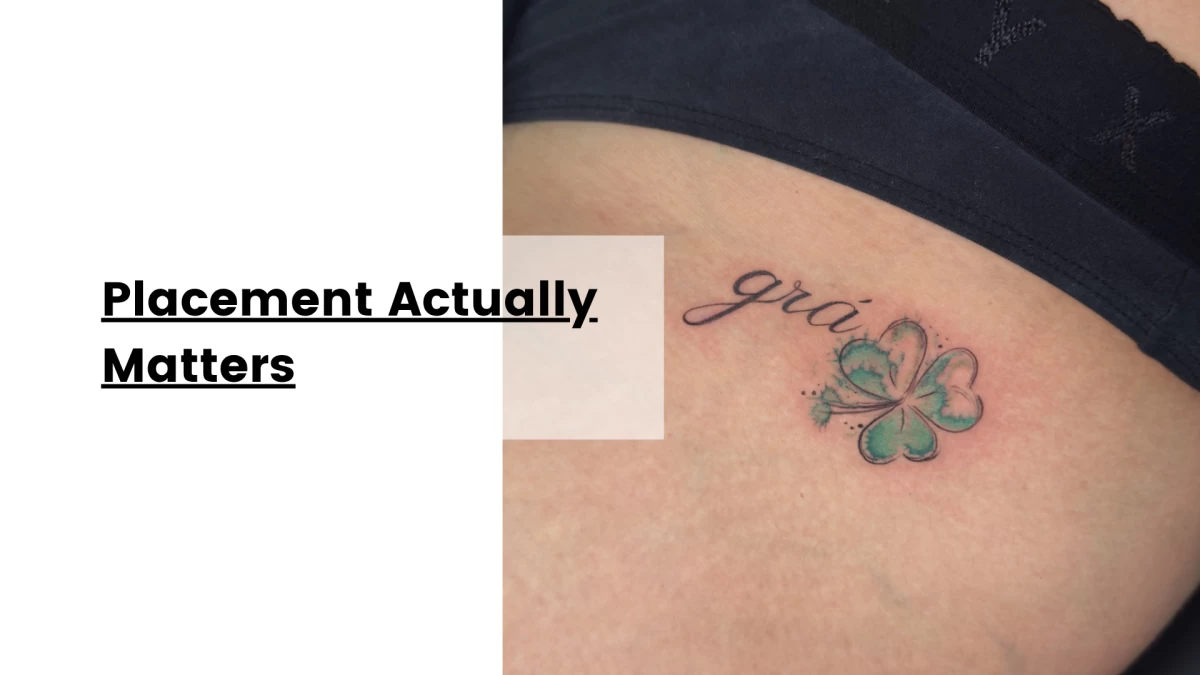
Placement Actually Matters
Placement for handwriting tattoos is rarely random.
Where you put it usually says something.
Inner forearm is common because it’s visible and easy to read. People like being able to see it every day.
Ribs are more private. Usually chosen when the tattoo feels deeply personal and not meant for public consumption.
Over the heart is obvious emotionally, but still one of the strongest placements.
Wrists, collarbones, ankles, shoulders—each one changes the feeling.
Some people want it somewhere they’ll see constantly.
Others want it hidden, almost like it’s just for them.
Neither is better.
It depends on what the tattoo is supposed to do.
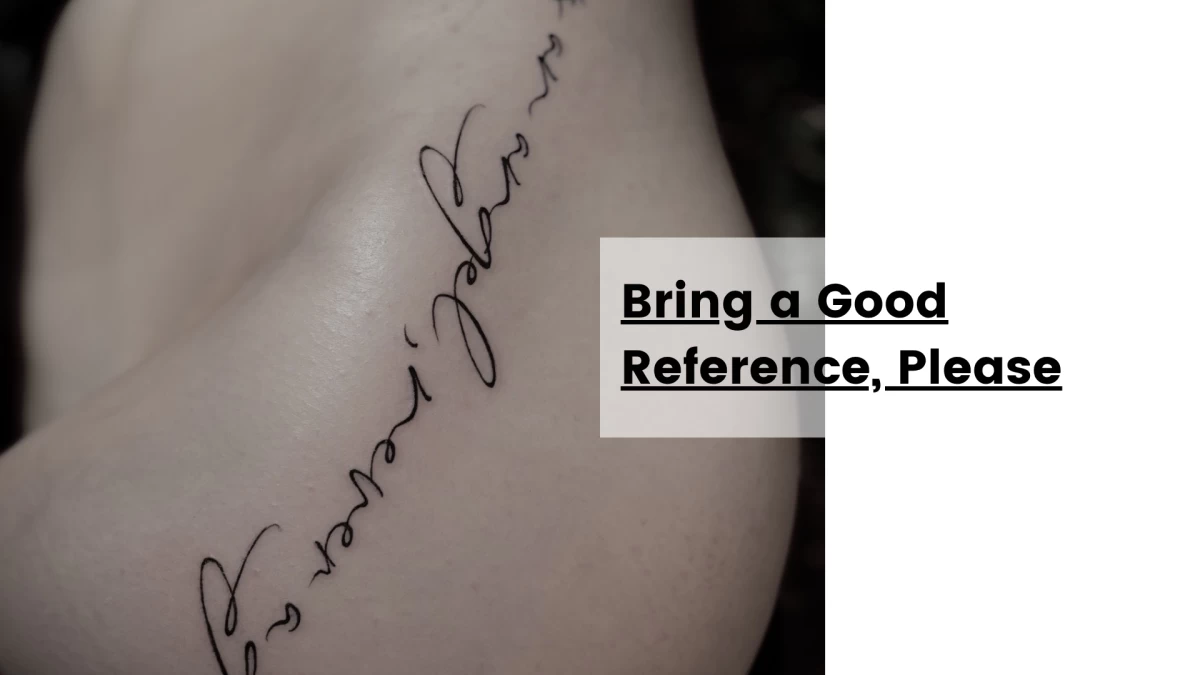
Bring a Good Reference, Please
This sounds boring, but it makes a huge difference.
If you want a handwriting tattoo, bring the clearest reference possible.
Not a blurry screenshot from 2017 taken on a phone that survived war.
A proper clear photo helps.
Flat paper, good lighting, high resolution if possible. Original letters are ideal, but good scans work too.
If the note is old or damaged, that’s fine. A lot of them are.
People bring in recipe cards from the 90s that look like they survived three family arguments and a kitchen fire.
We can usually work with it.
But clarity helps.
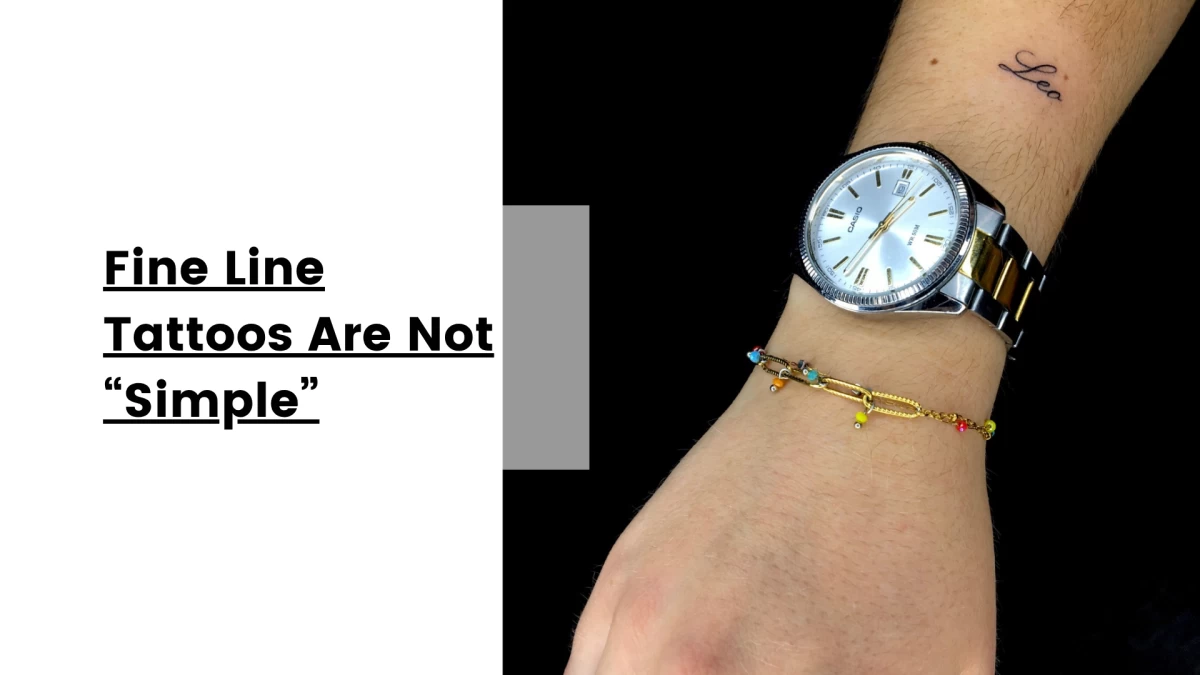
Fine Line Tattoos Are Not “Simple”
This is where people get tricked.
Because handwriting tattoos look minimal, people assume they’re easy.
They are not.
Fine line work is one of those things that looks effortless when it’s done well and looks tragic when it’s done badly.
A bad handwriting tattoo ages fast. Lines blur. Letters close up. Suddenly your grandmother’s signature looks like a legal dispute.
That’s why choosing the right artist matters.
You want someone who understands line weight, placement, healing, and how tattoos age—not just someone who can copy a photo.
Especially when the tattoo means something.
This is not the moment to choose based on whoever is cheapest.
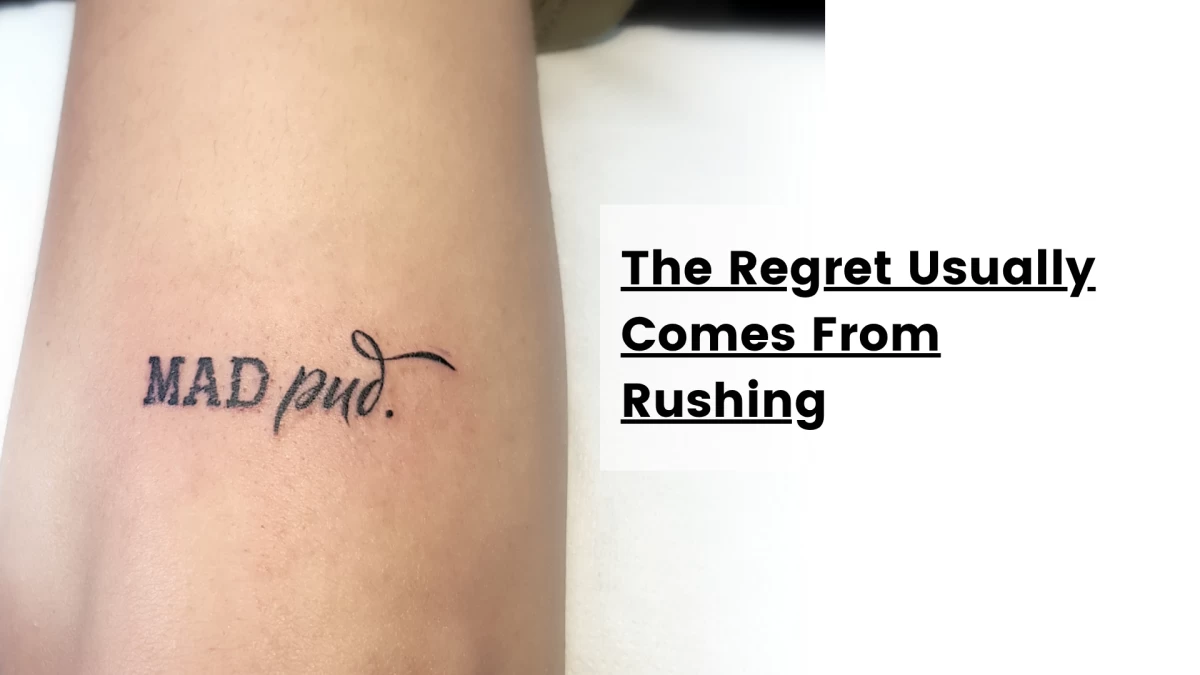
The Regret Usually Comes From Rushing
People rarely regret the idea.
They regret rushing it.
Choosing placement too fast. Going too small. Using the wrong reference. Not checking spelling. Trusting someone who said “yeah yeah looks fine” when it absolutely did not look fine.
Sentimental tattoos carry heavier regret because the emotional part is bigger.
Take your time.
Seriously.
Sit with it for a week.
Check the reference again.
Make sure it feels right.
Urgency is usually emotional. Tattoos are permanent.
Those two things should not be making decisions together.
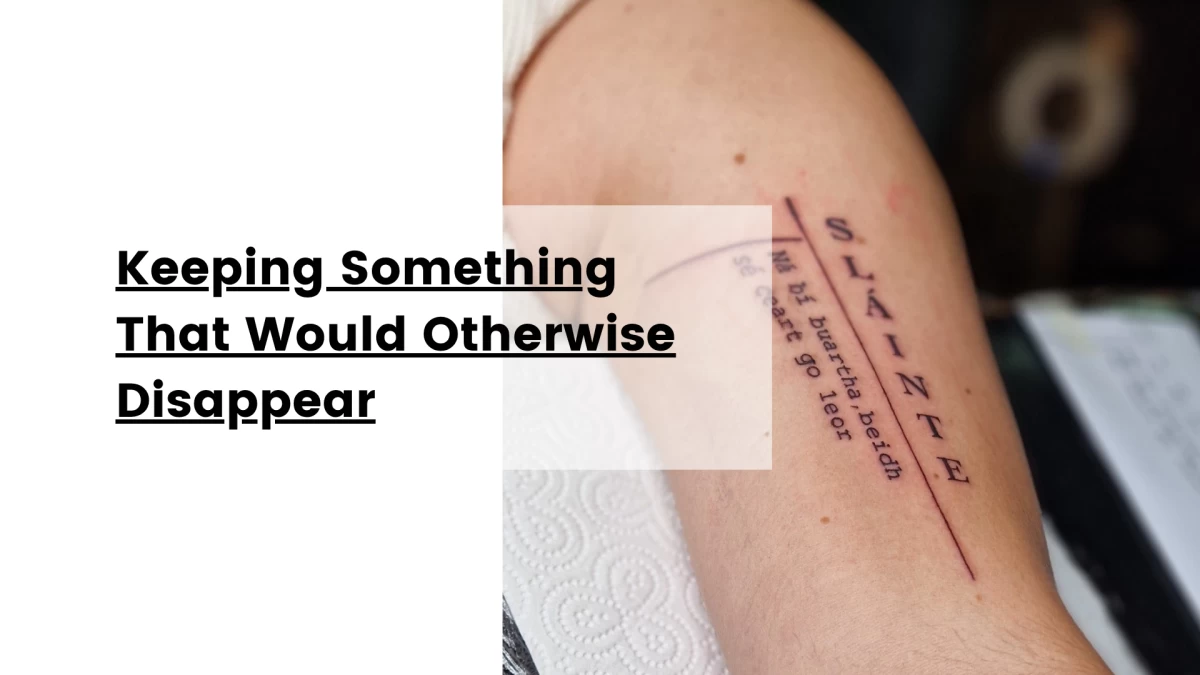
Keeping Something That Would Otherwise Disappear
That’s really what this is about.
Paper gets lost.
Ink fades.
Phones die.
Voicemails vanish.
People leave.
Memory gets softer around the edges.
A handwriting tattoo doesn’t fix grief, but it gives it somewhere to live.
Something solid.
Something permanent.
Sometimes that’s all people want.
Not a huge memorial piece. Not something dramatic.
Just a signature.
Just two words.
Just proof that someone was here.
And honestly, that’s often the most powerful kind of tattoo.
Final Thought
Handwriting tattoos are rarely loud.
They’re subtle. Personal. Often invisible to everyone except the person wearing them.
But they carry a ridiculous amount of emotional weight.
They’re not trend tattoos.
They’re memory tattoos.
At Black Hat Dublin, we treat them that way.
Carefully, honestly, and with enough respect to tell people when something needs adjusting instead of pretending every idea works perfectly.
Because when someone hands you a piece of someone they loved, “good enough” is not the standard.
It has to be right.

Hélène


This might interest you
Here’s a selection of related posts