Celtic & Irish Matching Tattoos: Claddagh, Knots & Shamrocks
Some tattoos whisper where you come from. Others shout it. Celtic and Irish matching tattoos sit somewhere in between — proud, symbolic, and steeped in history, yet subtle enough to live on modern skin. They carry centuries of meaning: loyalty, courage, eternity, unity.
In Dublin, where identity is always evolving — modern but deeply rooted — Black Hat Tattoo has become the meeting point between tradition and design. Here, Celtic symbols aren’t tourist clichés. They’re cultural language, reimagined through art and geometry.
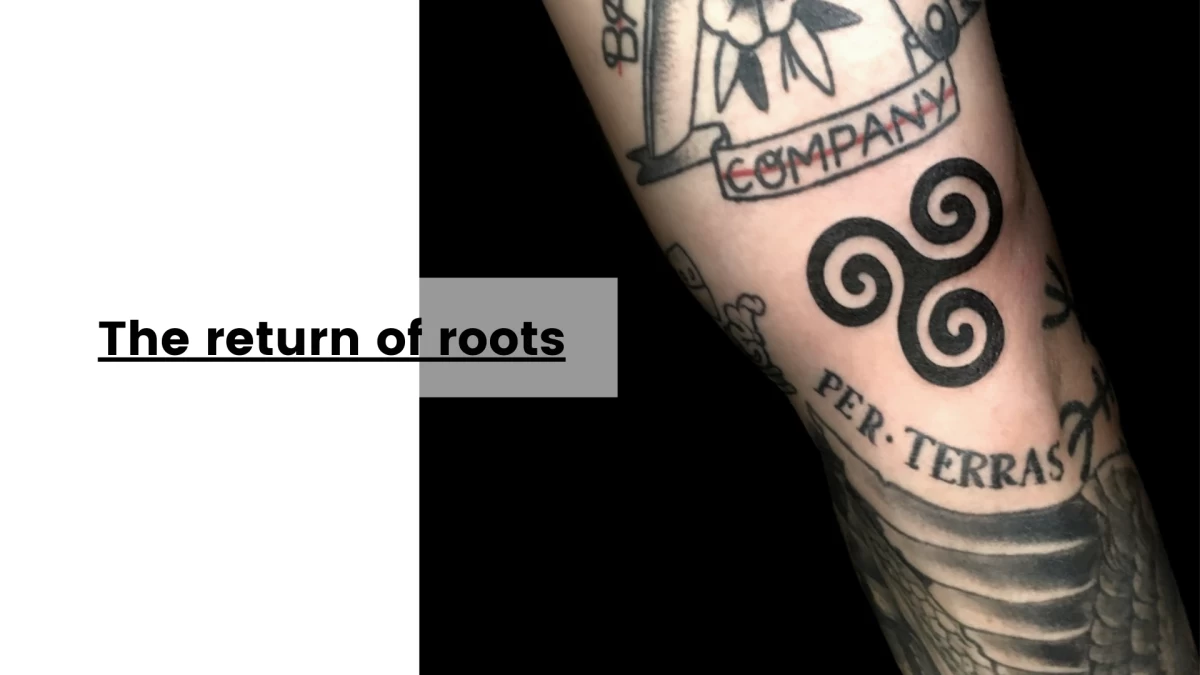
The return of roots
Irish symbols have been around for over a thousand years. But recently, they’ve made a comeback — not as markers of nationalism, but as tokens of belonging. Matching Celtic tattoos are no longer just for heritage enthusiasts. They’ve become personal statements for couples, siblings, or friends who share the same sense of origin, loyalty, or resilience.
Maybe you grew up in Dublin and carry that rhythm wherever you go. Maybe you’re abroad, missing the Atlantic wind and the city’s heartbeat. Or maybe you’re just drawn to the way these symbols hold depth — simple forms with infinite meaning. Whatever the reason, Celtic tattoos are back — and this time, they’ve evolved.
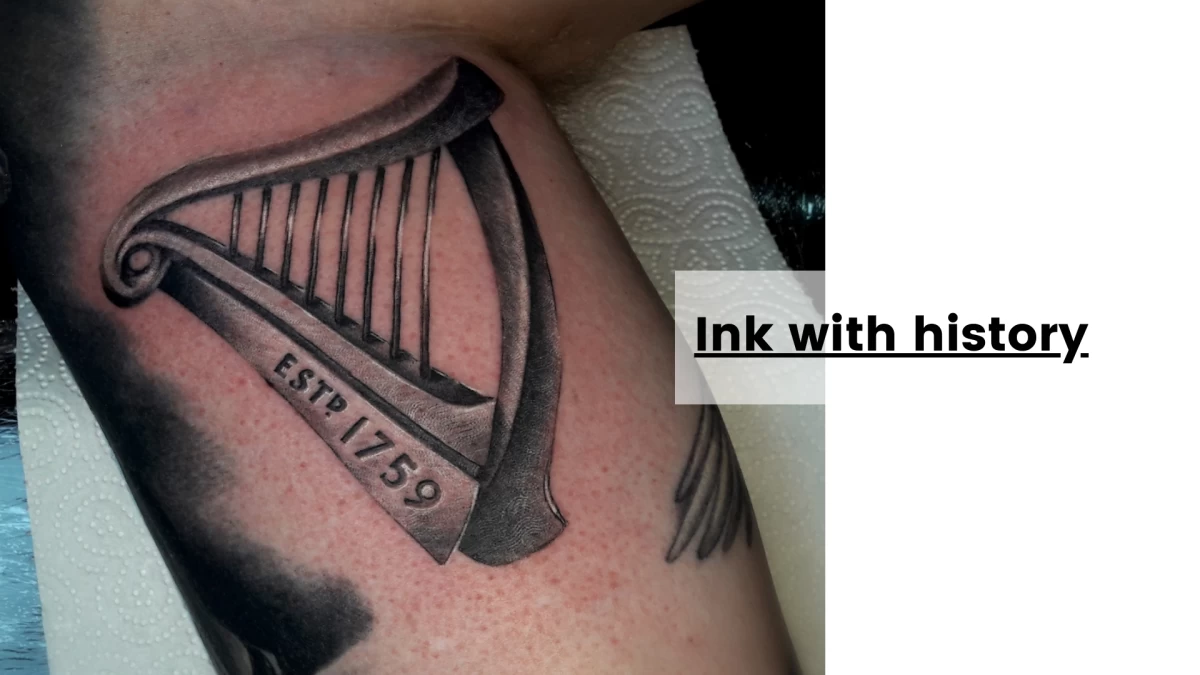
Ink with history
When you talk about Celtic tattoos, you’re talking about stories that predate language.
Before Christianity, before written records, Irish people communicated identity through symbolism — spirals, animals, interwoven patterns that mapped life, death, and the universe. Those same lines live on today — curved, looping, continuous. They were carved in stone, woven into metal, and now etched into skin.
At Black Hat Tattoo Dublin, these designs aren’t copied from ancient books. They’re reinterpreted — geometric minimalism meeting ancestral power. The result? Tattoos that feel both timeless and current — the kind of art that wouldn’t look out of place on a monk’s manuscript or a street mural in Temple Bar.
Matching tattoos often risk feeling generic — but Celtic symbols are built for connection.
Their structure — loops, links, mirrored lines — literally embodies unity. You can split a design in two, and it still belongs together. That’s why they’re perfect for siblings, partners, or friends who want to mark shared roots without going for something too obvious.
You’re not just matching a design — you’re sharing a heritage code.
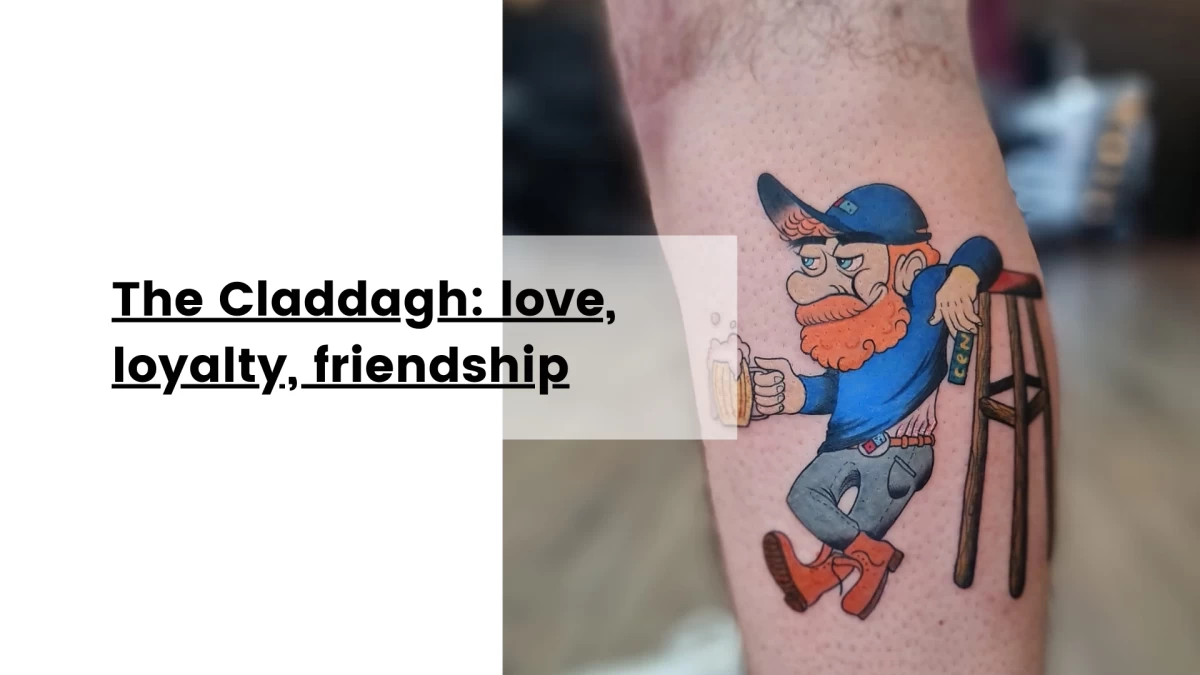
The Claddagh: love, loyalty, friendship
Let’s start with the icon everyone knows, but few truly understand: the Claddagh. Born in Galway in the 17th century, this symbol combines three things:
· The hands — friendship
· The heart — love
· The crown — loyalty
Together, they form one of Ireland’s most enduring emblems. In tattoo form, the Claddagh carries multiple interpretations:
· Couples choose it for commitment and mutual respect.
· Friends wear it as a reminder of trust.
· Families adapt it to express unbreakable bonds.
At Black Hat Tattoo Dublin, artists often redesign the Claddagh with modern linework — removing the ornamental excess, keeping the essence. The result is elegant, powerful, and gender-neutral. Whether you go micro behind the wrist or bold on the forearm, it’s one of the few symbols that manages to stay both ancient and fresh.
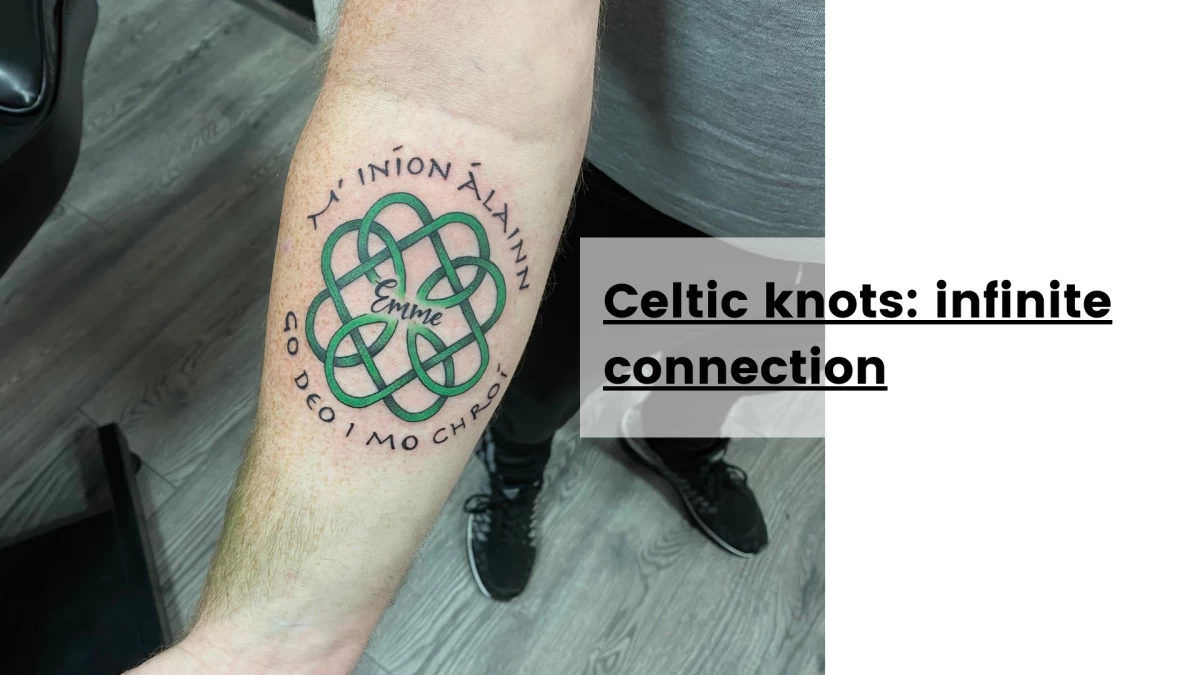
Celtic knots: infinite connection
If there’s a symbol that truly defines Celtic art, it’s the knot. Endless loops, no beginning, no end — a literal representation of eternity. In ancient carvings, knots symbolized life cycles, rebirth, and interconnectedness.
Today, they’ve become metaphors for modern relationships — evolving, messy, beautiful, and unbreakable.
There are different types of Celtic knots, each carrying a slightly different story:
· The Trinity Knot (Triquetra) - Three loops woven together — symbolizing body, mind, and spirit, or the past, present, and future. Many see it as a nod to balance and continuity.
· The Dara Knot - Derived from the word “doire,” meaning oak tree — the Dara Knot represents strength, grounding, and resilience. Perfect for siblings or families that have weathered storms together.
· The Shield Knot - Historically used for protection in battle. Today, it represents safety — a promise to guard one another.
At Black Hat Tattoo Dublin, these patterns are stripped down and reimagined. Clean geometry replaces ornamentation; fine lines replace heavy shading. The artistry lies in precision — symmetry meeting emotion.

The shamrock: quiet pride
Yes, it’s everywhere — on jerseys, flags, and souvenirs — but in tattoo form, the shamrock takes on new depth. Before it was Saint Patrick’s teaching tool, it was a pagan symbol of rebirth and unity. Three leaves, one stem — the sacred trinity of nature.
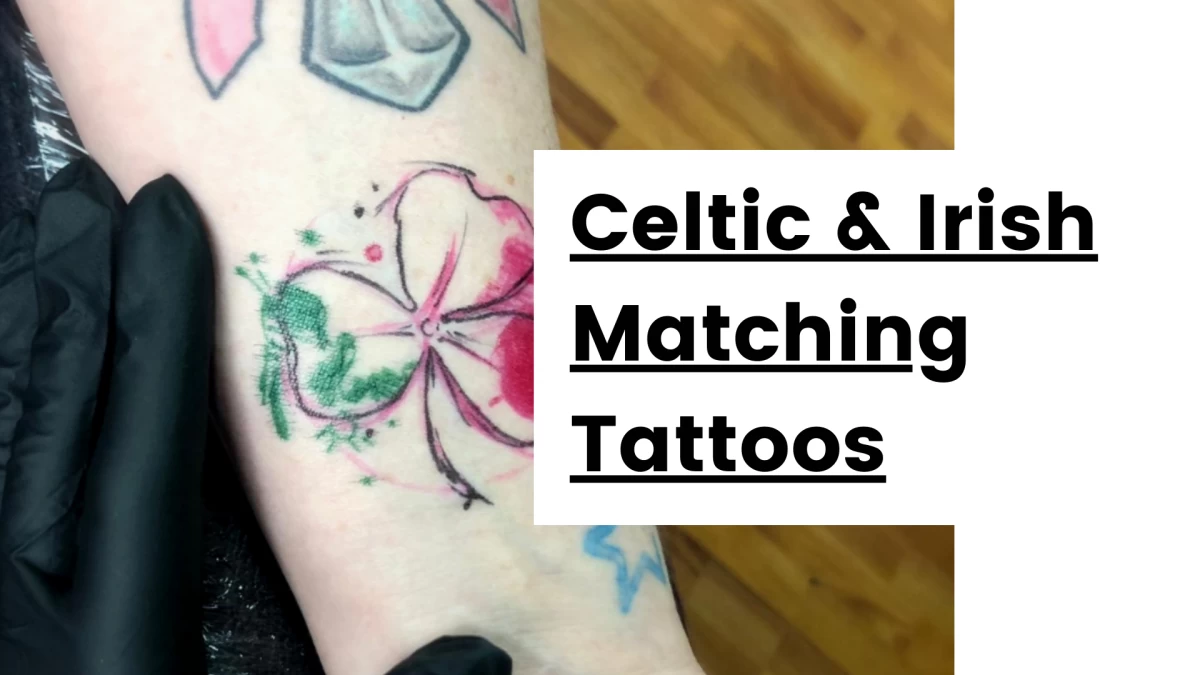
Minimalist shamrocks — tiny outlines, negative space, or stylized silhouettes — have become one of the most popular small tattoos at Black Hat Dublin, especially for groups of friends or Irish expats living abroad. It’s understated, but it carries a quiet kind of pride — the kind you don’t need to explain.
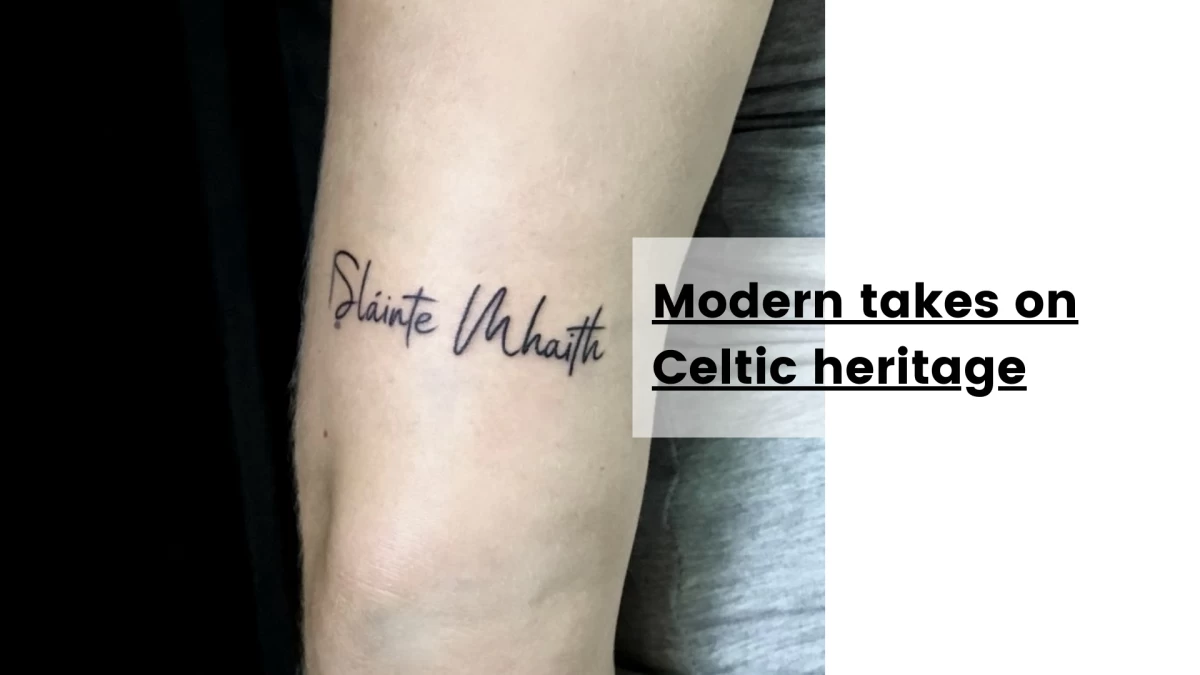
Modern takes on Celtic heritage
The new generation of Irish tattoos isn’t about copying history; it’s about rewriting it.
Clients come in wanting pieces that feel rooted but modern — art that honors the past without getting stuck there. Here’s how that plays out in the studio:
Fine line evolution: Turning thick, interwoven knots into minimalist strokes that feel contemporary. Negative space work: Using skin tone as part of the design, creating a subtle 3D illusion.
Split symbolism: Matching tattoos divided across two bodies — half a knot on each sibling, two halves of a shamrock, mirrored Claddagh hearts. Mixed media: Combining Celtic geometry with watercolor or dotwork for texture and contrast. It’s less about “Irishness” as a label, and more about Irish identity as a living design language — adaptable, creative, and full of soul.
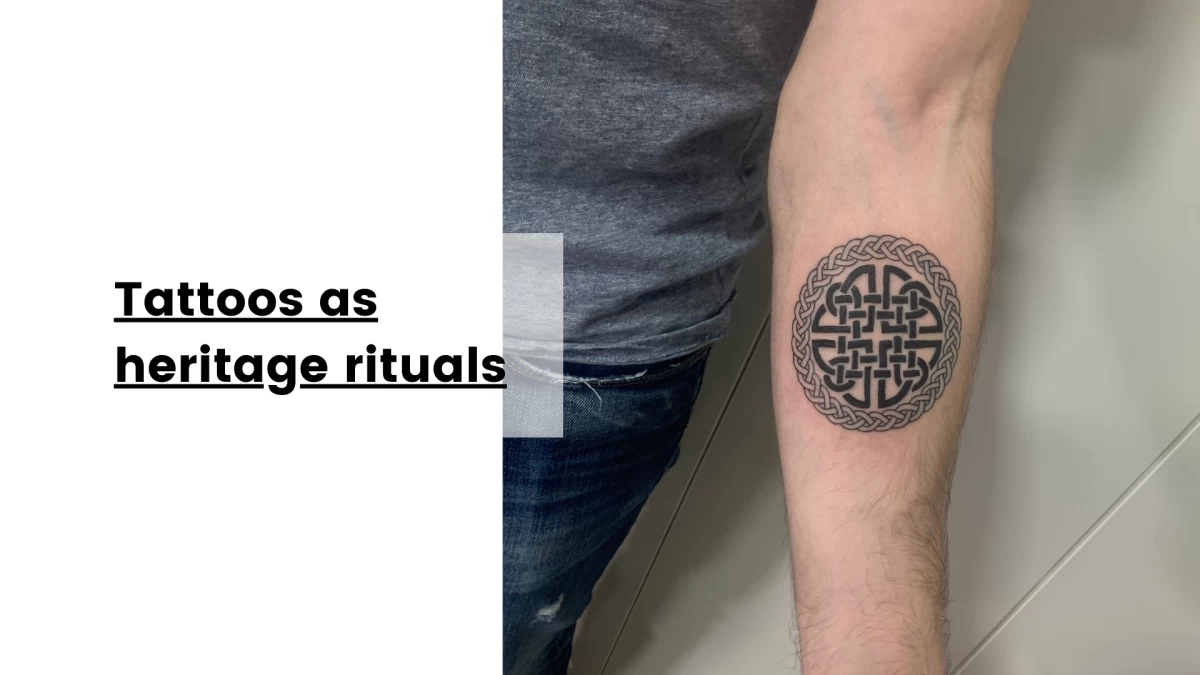
Tattoos as heritage rituals
For many Irish people — and people of Irish descent — getting a Celtic tattoo is more than an aesthetic choice. It’s a ritual. Maybe it’s marking your first trip back home. Maybe it’s about reconnecting with family roots, or carrying a piece of Dublin with you wherever you go. At Black Hat Tattoo Dublin, clients often bring stories — photos of grandparents, Gaelic names, symbols from old gravestones or manuscripts. Artists take those fragments and build something entirely new — part past, part present, part personal.
It’s emotional work, but that’s what gives it depth.
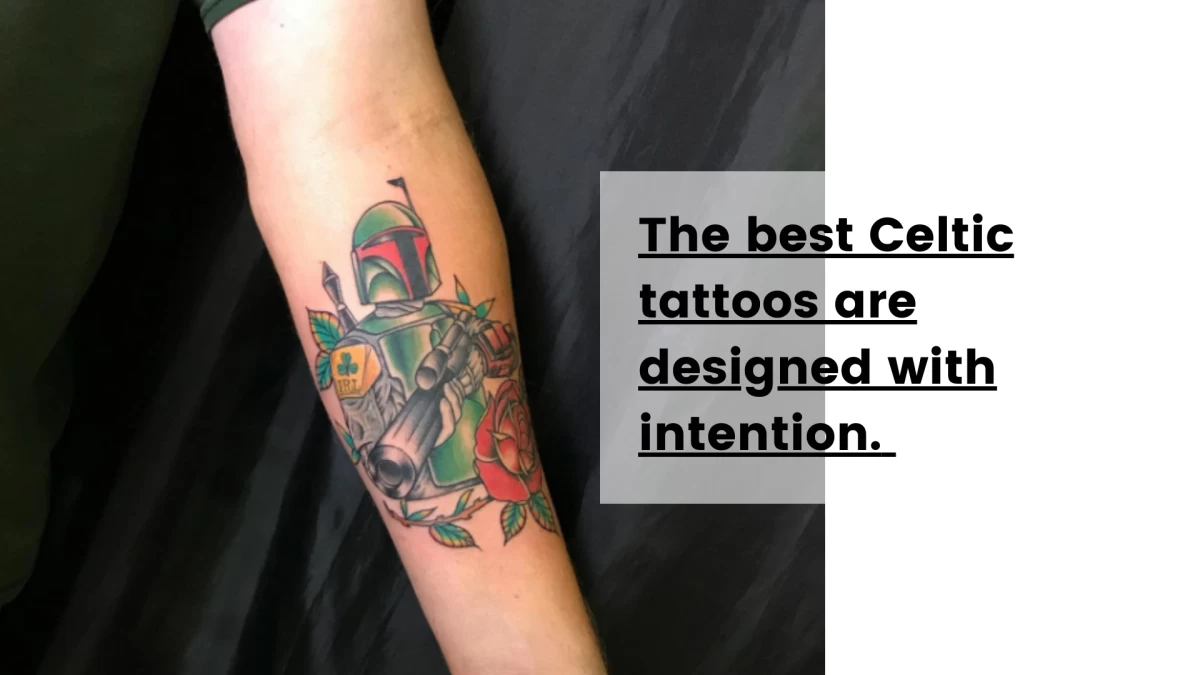
The best Celtic tattoos are designed with intention.
They don’t just “look Irish” — they mean something Irish. That means taking the time to understand what each symbol means and then customizing it for your story.
The Claddagh for loyalty, the knot for eternity, the shamrock for unity — they all blend meaning with aesthetics. Add minimalist composition, Dublin craftsmanship, and a bit of modern rebellion, and you’ve got something that transcends cliché.
Because in 2025, being Irish isn’t about nostalgia — it’s about evolution. And so is tattoo art.
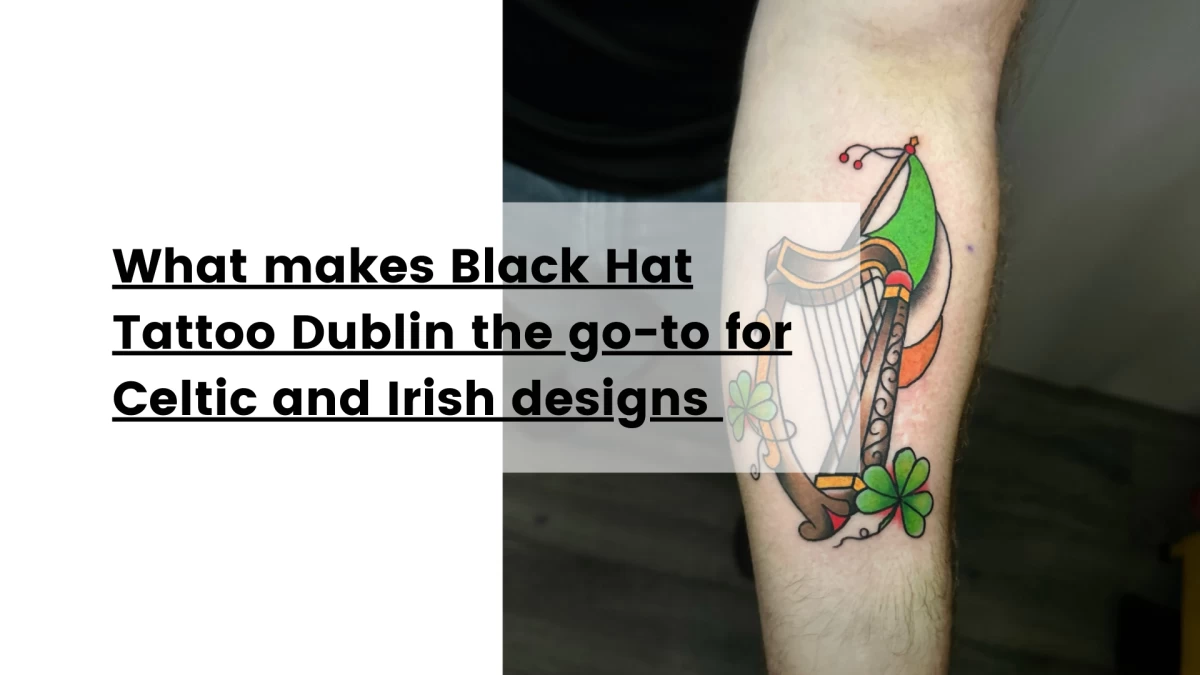
What makes Black Hat Tattoo Dublin the go-to for Celtic and Irish designs
It isn’t just technical skill — it’s interpretation. The artists here are storytellers first. They understand that every Celtic mark carries centuries of weight, and they handle that with respect and creativity.
They’ll help you find a balance between authenticity and innovation — from clean micro designs to large ornamental compositions that wrap around the arm, chest, or spine.
Each piece is drawn from conversation, not templates. You come with a story; you leave with a design that feels ancestral yet yours. That’s what modern Irish tattooing looks like.
Whether it’s a knot that loops without end, a Claddagh reimagined in linework, or a tiny shamrock on the wrist — Celtic tattoos remind you where your story began. They’re not about nationalism. They’re about belonging.
About knowing that even when you move, grow, or change, a part of your heritage moves with you — quietly, gracefully, beneath the skin. So if you’re thinking of marking that connection, let it be meaningful. Let it be intentional. Let it be Black Hat Dublin — where Irish tradition meets modern art, and every symbol carries both history and heartbeat.
Hélène


This might interest you
Here’s a selection of related posts